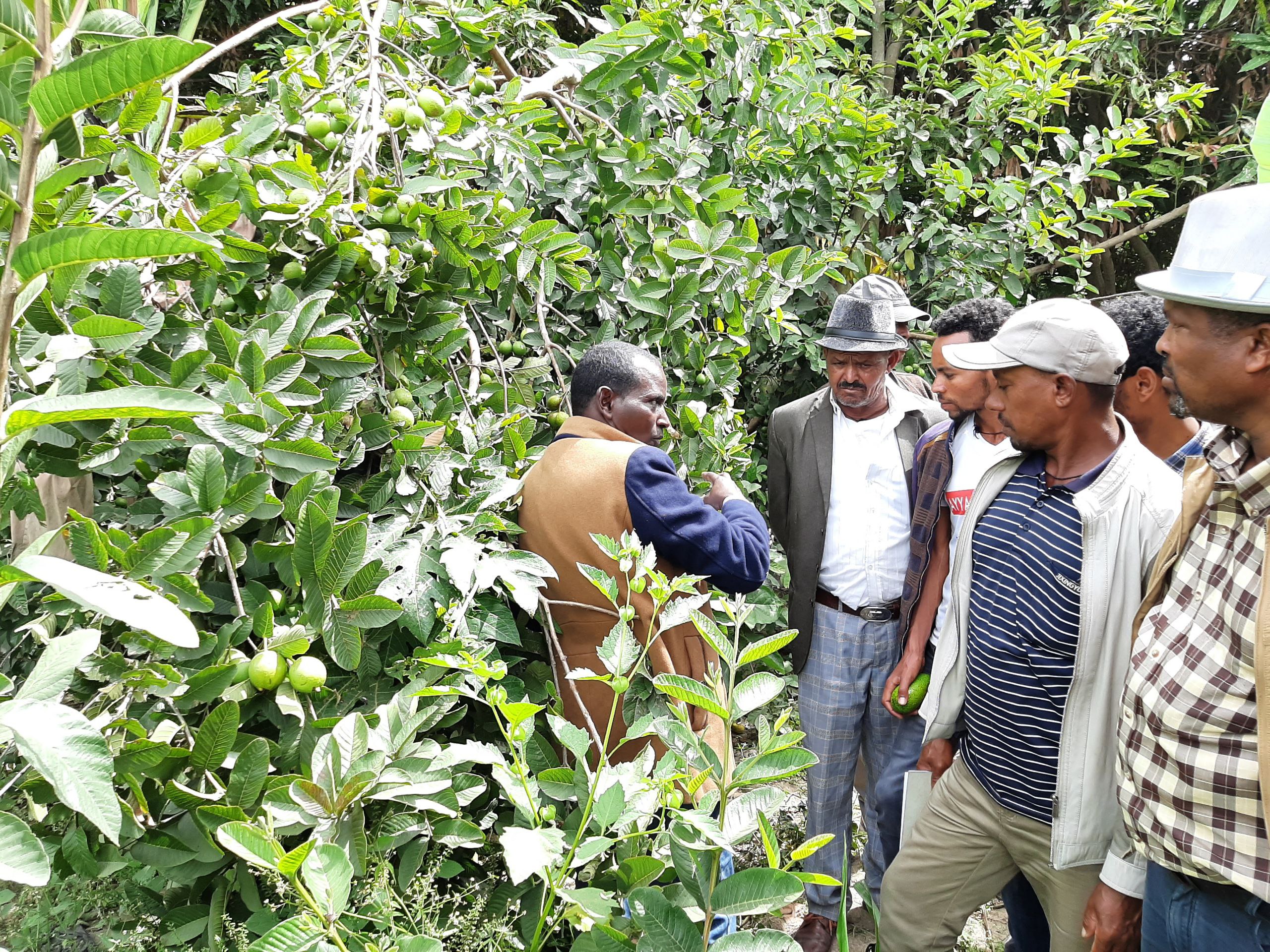
Beyond food security focuses on moving from merely preventing hunger to achieving long-term food sovereignty, resilience, and sustainability. It emphasizes local, equitable food systems, economic empowerment for farmers, and ecological health rather than just global supply. Key approaches include addressing the root causes of poverty, investing in climate-smart agriculture, and fostering political stability.
Key aspects of moving "beyond" traditional food security include:
Food Sovereignty: Empowering communities and nations to define their own food, agriculture, and land-use systems, rather than relying on international market flows.
Sustainability and Resilience: Shifting toward, agroecology, organic farming, and sustainable consumption to minimize environmental impact and reduce Greenhouse Gas (GHG) emissions.
Systemic Transformation: Addressing root causes of hunger, such as poverty, lack of education, poor sanitation, and unequal land tenure, rather than just providing immediate food aid.
Nutrition-Sensitive Agriculture: Moving beyond calorie intake to ensure the availability, affordability, and consumption of diverse, nutrient-dense foods.
Economic Empowerment: Promoting fair returns for labor, reducing post-harvest losses, and strengthening rural livelihoods.
Integrated Health (One Health): Managing risks by linking human, animal, and environmental health.
Conflict Prevention & Stability: Using food systems to build social cohesion and peace in conflict-prone areas.
Beyond the Plate: Why Reimagining Food Security is Urgent